Canal du Midi
Canal du Midi : Le canal du Midi est un canal de navigation français à bief de partage qui relie Toulouse à la mer Méditerranée depuis le xviie siècle. D’abord appelé « canal royal de Languedoc », il est renommé « canal du Midi » par les révolutionnaires en 1789. À partir de 1856, le canal latéral à la Garonne, qui double la Garonne de Bordeaux à Toulouse, prolonge le canal du Midi pour fournir une voie navigable de l’océan Atlantique à la mer Méditerranée : l’ensemble des deux canaux est dénommé « canal des Deux-Mers ».
Ouvrage d’art exceptionnel, considéré par ses contemporains comme le plus grand chantier du XVIIe siècle, le canal du Midi révolutionne le transport fluvial et la circulation dans le Midi de la France de l’Ancien Régime. Le défi, relevé par Pierre-Paul Riquet, son concepteur, est d’acheminer l’eau de la montagne Noire jusqu’au seuil de Naurouze, le point le plus élevé du canal. Louis XIV autorise le début des travaux par un édit royal d’octobre 1666. Supervisé par Pierre-Paul Riquet, le chantier dure de 1666 à 1681, sous le contrôle de Jean-Baptiste Colbert.
Longtemps utilisé pour le transport de marchandises, le canal du Midi est aujourd’hui reconverti au tourisme fluvial.
Le canal du Midi est l’un des plus anciens canaux d’Europe toujours en fonctionnement. Depuis 1996, il est inscrit sur la liste du patrimoine mondial de l’UNESCO. Canal du Midi sur Wikipédia (fr)
Canal du Midi : The Canal du Midi (French pronunciation: [kanal dy midi]; Occitan: Canal de las Doas Mars, Canal del Miègjorn [ka’nal del mjɛdˈd͡ʒuɾ]) is a 240 km (150 mi) long canal in Southern France (French: le Midi). Originally named the Canal Royal en Languedoc (Royal Canal in Languedoc) and renamed by French revolutionaries to Canal du Midi in 1789, the canal is considered one of the greatest construction works of the 17th century.
The canal connects the Garonne to the Étang de Thau on the Mediterranean and, along with the 193 km (120 mi) long Canal de Garonne, forms the Canal des Deux Mers, joining the Atlantic to the Mediterranean.
Strictly speaking, « Canal du Midi » refers to the portion initially constructed from Toulouse to the Mediterranean – the Deux-Mers canal project aimed to link together several sections of navigable waterways to join the Mediterranean and the Atlantic: first the Canal du Midi, then the Garonne which was more or less navigable between Toulouse and Bordeaux, then the Garonne Lateral Canal built later, and finally the Gironde estuary after Bordeaux.
Jean-Baptiste Colbert authorized the start of work by royal edict in October 1666, with the aim of developing the wheat trade, under the supervision of Pierre-Paul Riquet, and construction lasted from 1666 to 1681, during the reign of Louis XIV. The Canal du Midi is one of the oldest canals of Europe still in operation (the prototype being the Briare Canal). The challenges in these works are closely related to the challenges of inland water transport today. The key challenge, raised by Pierre-Paul Riquet, was to convey water from the Montagne Noire (Black Mountains) to the Seuil de Naurouze, the highest point of the canal.
The Canal du Midi was inscribed as a UNESCO World Heritage Site in 1996, because of its outstanding engineering and artistic design, and it was designated as an International Historic Civil Engineering Landmark in 2016. Canal du Midi sur Wikipédia (en)
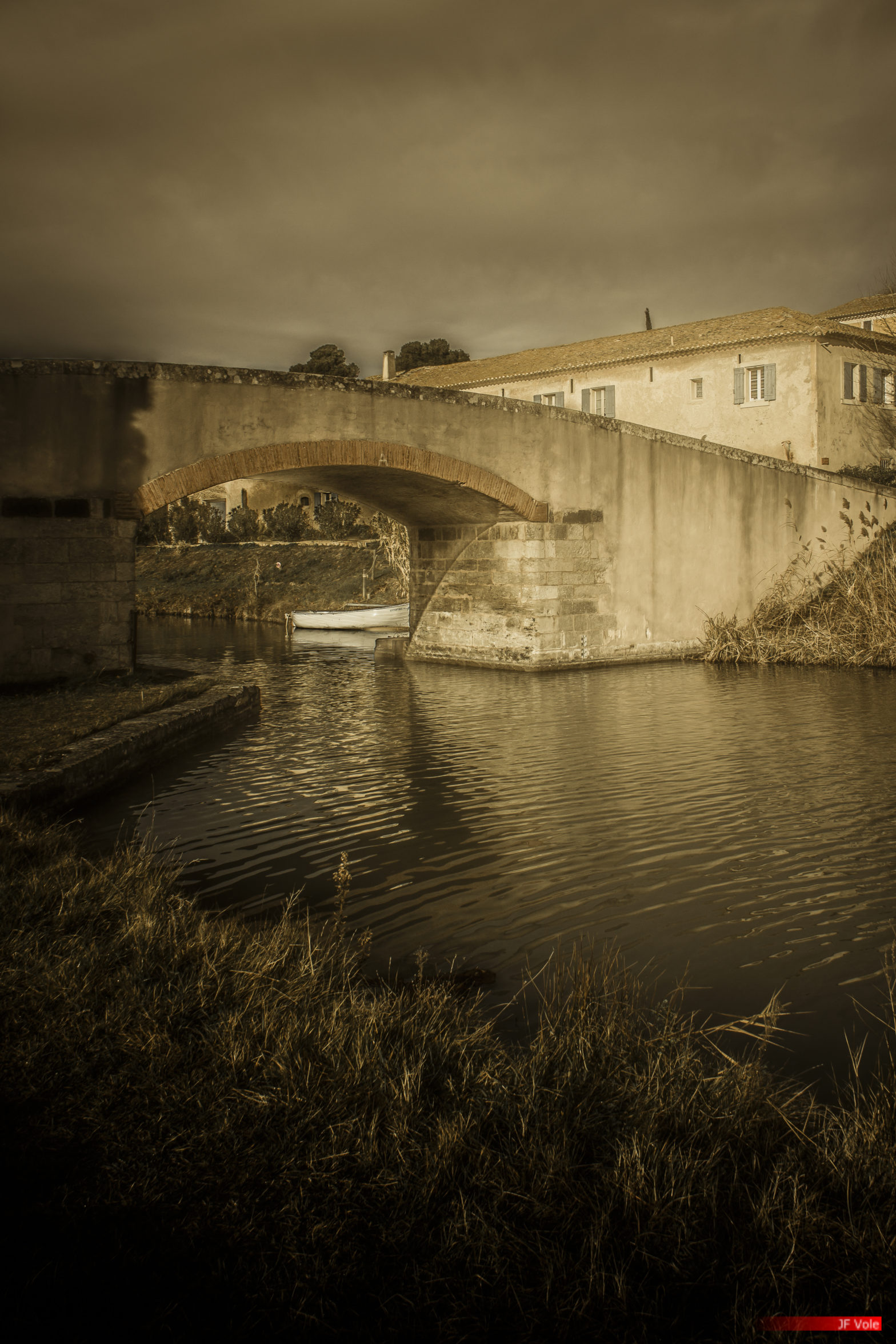
Promenade autour de Béziers en cette fin d’année 2017. Les écluses de Fonserranes et le canal du Midi.